


Sailing and Camping
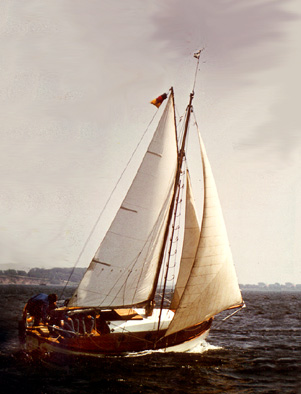
While there are still some places in Africa and Asia where sail-powered fishing or transport vessels are used, these craft have become rarer, as outboard and modified car engines have become available even in the poorest and most remote areas. In most countries people enjoy sailing as a recreational activity. Recreational sailing or yachting can be divided into racing and cruising. Use of sailboats can be further divided into long-distance sailing (such as blue-water or offshore sailing) and daysailing.
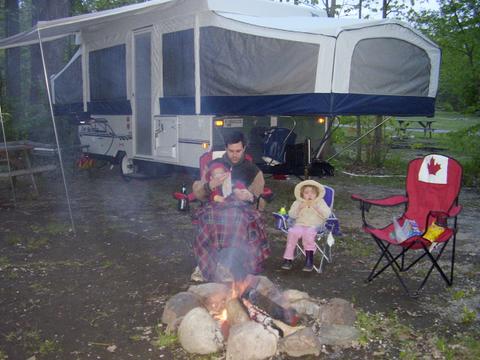
Camping is an outdoor recreational activity. The participants, known as campers, leave urban areas, their home region, or civilization and enjoy nature while spending one or several nights, usually at a campsite, which may have cabins. Camping may involve the use of a tent, a primitive structure, or no shelter at all.
Camping as a recreational activity became popular in the early 20th century. Campers frequent national parks, other publicly owned natural areas, and privately owned campgrounds.
Camping is also used as a cheap form of accommodation for people attending large open air events such as sporting meetings and music festivals. Organizers will provide a field and basic amenities.
Camping describes a range of activities. Survivalist campers set off with little more than their boots, whereas recreational vehicle travelers arrive equipped with their own electricity, heat, and patio furniture. Camping is often enjoyed in conjunction with activities, such as: hiking, hill walking, climbing, canoeing, mountain biking, swimming, and fishing. Camping may be combined with hiking either as backpacking or as a series of day hikes from a central location.
Some people vacation in permanent camps with cabins and other facilities (such as hunting camps or children's summer camps), but a stay at such a camp is usually not considered 'camping'. The term camping (or camping out) may also be applied to those who live outdoors, out of necessity (as in the case of the homeless), or for people waiting overnight in queues. It does not, however, apply to cultures whose technology does not include sophisticated dwellings. Camping may be referred to colloquially as roughing it.



Things to Consider When Purchasing a Camp Stove
1. Which stove is the most environmental friendly camp stove for your trip?
2. Where are you planning to camp?
3. How many people are you cooking for?
4. How are going to get to the camp site?
The most environmentally friendly stove is the propane stove that can be hooked up to a refillable propane tank. This option is mainly only available when camping at a campsite. Most of the stoves that use a 16oz. propane bottle can be hooked up to the refillable propane tanks with the aid of adapters and / or stands.
Several backpack stoves are able that burn liquefied gas fuels such as butane, propane, isobutane, or blends of these fuels. These fuels burn clean and work well at above freezing temperatures. When the temperature nears the boiling point of the fuel used it ability to vaporize minimizes and it becomes ineffective.
• Propane boiling point: -43° F (-40°C),
• Butane boiling point: 31° F (0.5°C),
• Isobutane boiling point: 11° F (-12°C).
These fuels can also be difficult to find and also expensive. These backpack stoves although environmentally friendly when burning use a gas canister that needs to be disposed of properly if gas is lift in them they can be classified as a hazardous waste.
Another type of camp/backpack stove uses liquid petroleum fuels that are pressurized in a bottle or tank. These kinds of camp stoves works well even in extreme cold and are quite environmentally friendly if the proper fuel is used and handled correctly. If the wrong fuel is used they can be toxic to you as well as the environment.
Alcohol camp stoves are environmentally friendly but require alcohol that is 91% pure or greater... the higher the better. One drawback is alcohol is it burns cooler and takes longer to cook requiring greater amounts of fuel to be needed.
The small single burner backpack stoves work well for one or two people are light and can be used at campgrounds as well as hiking or backpacking. The larger signal burner camp stoves and the multi burner camp stoves are heavier. They are not designed for hiking or backpacking.
If you can drive to your camp use the larger stoves. If backpacking or hiking use the small signal burner stoves. Use the proper fuel for your camp stove, take into consideration the time of year and expected temperatures'. Always follow manufactures safety instructions on the use of your camp stove.
Beach Camping - The Great De-Stressor
Beaches have been one of the most favorite picnic spots to one and all for ages. The liking for beaches goes beyond any factors such as caste, creed and social status. Beaches have always been a favorite theme to creatively beautify expressions that a man most commonly uses in his poems, paintings, photography and music. Many beautiful things related to beaches such as sunrise and sunset are all inexplicable.
Beach camping is a wonderful and an affordable way to enjoy the weekends or holidays. Some of the ways to enjoy beach camping are going on long boardwalks with your loved ones, fishing, playing volleyball and adventurous sports such as swimming, wind surfing, sailing, water skiing, jet skiing, and boating.
Needless to say, before going for a beach camp, it's essential to equip oneself suitably. Make sure you make a list of the most commonly needed items. Some things that you need too carry are tents and sleeping bags for the nights. Drinking water is a must and so is food. Add camp stoves, charcoal chimney, essential utensils, cooler and a water filter. Pack proper clothing. Remember to take little things like can opener, bug spray, candles and cleaning items. Binoculars are a must. Take camera, a compass, GPS, flashlight, and kites. Of course, you will not forget your cell phone. Add to your baggage a pen and a few writing papers.
There is yet another list to manage. Pack up some more items such as sunburn lotion, beach chairs and other foldable aluminum furniture, tables, and shade tents. You will need beachwear, canopies, and beach bags to make your beach camping more fun.
If accompanied by kids, accidents are more likely to happen. All beach camp sites do have coast guard services who can give you emergency medical assistance. Yet, it is advisable that you carry a well-stocked first aid kit with you.
Irrespective of whether it's a ready-made medical kit or a kit prepared spontaneously for the occasion, care should be taken to include some mandatory items such as personal medication, medical tape, bandages, elastic wrap, scissors, tweezers, sterile gauze, antibiotics, antiseptic creams, anti-burn ointment, hydrogen peroxide, eye wash and sanitary napkins.
Beach camping backed by right planning and sufficient equipments would be an extremely fascinating, enchanting and a memorable experience.
http://www.ezinearticles.com/?Solo-Camping-to-Keep-Ourselves-Safe-But-Primarily-to-Enjoy!&id=3425541
Solo Camping, and backpacking has its ups and downs. There is a need to keep ourselves safe but to also make sure that we take value from the opportunity and our experience. There are definitely challenges from going alone. With the right attitude and preparation you will walk away from your trip with new friends, a feeling of accomplishing something without direction from another person, and confidence in your own ability.
Now i am not aware of your experience Backpacking or Solo Camping. We will use this guide from the prospective of a beginner but i also hope more advanced Backpackers/Adventure seekers will gain some value from this article.
Safety involves an awareness of the environment, people and maybe culture for the trip planned. If your within your own country it is not so difficult. The main awareness will be for the change in weather conditions if your from south going to north and the safety for activities planned.
If you are planning a trip to somewhere like India or South America, an awareness of culture, people and health risks are needed. You will need more specific advice for each country. I use the Lonely Planet guides because of the amount of information they cover and the enjoyment of reading them. They are great if you plan to be on the move, backpacking.
Its easy to become over concerned about the dangers out in the wilderness but do remember what we see on the news is a small minority of incidents. Be aware but not consumed otherwise a whole trip could be ruined for thinking about something that very rarely happens. Read up,follow up, take precautions and move on....
If you are just starting out i hope like me and many others you get the passion for backpacking and solo camping. your alone as much as you choose to be.
Camping Tents and Camping Sleeping Bags Can Be Enjoyed in Arctic-Type Weather
In another article I discussed how to survive arctic type weather assuming that you probably won't be spending the night outside. Hardy campers have been known to either put their camping sleeping bag in the snow or pitch a camping tent. I will cover some suggestions on how to survive the arctic weather for long hours like an expert.
The first step is to respect the elements if you are going to avoid paying the ultimate penalty of freezing to death. I mention this because the difference between that and enjoying the experience is fairly small. Keep in mind you should never plan on spending time alone in arctic weather because a small accident could be fatal. At least have someone who will look for you if you don't come back.
In addition to layered clothing, parkas, warm footwear and hand gear are essential. I cross country ski a lot, many times in arctic weather. I prefer leather mittens with a wool liner whenever possible when I am going to be outside for long periods of time. Kept together your fingers help keep each warm and the leather isn't subject to tearing just when you need it most.
Always allow plenty of time to get things done. Not only does everything take longer but if you start to hurry it will cause you to breathe harder. The cold dry air will cause your lungs to dry out and give a burning sensation. Breathe through your nose if possible.
Arrive at your camp site in plenty of time to pitch your camping tent in the day light. Remember there really isn't a lot of day light in the northern country in the winter. If you plan on building a fire, dig down to the ground before building the fire. Otherwise the melting snow will cause the fire to crash and it might go out.
Hardy campers sleep outdoors in cold weather. The first thing you need is a good camping sleeping bag rated for the temperature you will sleep in. Cover your sleeping bag with snow since snow is a good insulator. I wouldn't try camping outdoors in arctic weather without snow. Make sure your camping sleeping bag won't absorb moisture from the snow.
The other option is using a camping tent. Place the camping tent right on top of the snow. Since you can't pound stakes into the ground tie the camping tent corners to a tree or other heavy objects. Put snow around your camping tent to prevent wind from getting under the camping tent.
A couple of other tips -You will burn a lot of energy so make sure you eat a lot. Don't try to be on a diet as your body will be stressed enough just being outside. In addition fill a plastic bottle with hot water and put a sock or towel around it. Put that in the bottom of your camping sleeping bag. The sock or towel will slow down the speed the bottle loses heat but it will help you be warm enough to fall asleep. Don't consume alcohol- Alcohol will give you a warm feeling but can cause you to fall asleep deep enough that you won't wake up until it is too late.
A couple of tips- Starting a fire is a lot more difficult during cold weather as the cold weather will cool the fire down until the fire has a chance to overcome the cold. In addition wood can be a little damp from snow and will need to dry before it will burn. Don't ignore the fire until a strong blaze is going. If possible practice once before going camping.
Your vehicle will be harder to start if left alone for several hours. If you are depending on it to get you home make sure it has winter oil and is properly tuned up. Make sure you have more than a half a tank of fuel left before shutting it off.
I spent the last couple of decades in the resort and vacation industry along with many outdoor activities. On many occasions I observed people either not respecting the elements or not understanding them. The misunderstanding occurs in the winter where people fail to be able to enjoy the outdoors safely. In the summer frequently people fail to realize what needs to be done to protect themselves and take advantage of many opportunities to bond with nature and family and friends.
I am trying to provide some ideas to help people understand the outdoors and enjoy life outdoors without undo expense.
Top 5 Family Camping Tips
Just by following some basic family camping tips, you can make your trip a memorable experience for you and your loved ones. Camping with the family is a word-wide popular recreational activity. But, you must be well prepared to enjoy such trips. Otherwise, you may end with a miserable experience. You have to be very careful about everything - the way you pack things, what kind of things you are packing, which facilities you want inside and around the camp, the location of the camp, and many other such things. Following is a brief rundown on how to go about it.
Prepare A List Things That You Must Have During The Trip - Before you start hunting for family camping tips, you should first prepare a list of essential things. These include large insulated cooler, French presses, coffee drip cones, manual coffee grinder, rope, hammer or hatchet, wash basin, flashlights, 5 gallon water jug, lighter, toilet paper, basic eating utensils (plates, bowls, and cups), wok, pot holders, hot mitts, pressure cooker, basic cook kit, camp lantern, camp stove, air mattresses, sleeping bags, and obviously an all season tent. There can be several other things as well, such as sunscreen, insect repellent, rain tarp for eating and cooking area, camp knife, folding shovel, first-aid kit, flashlights with spare batteries, pillows, sleeping pads, and sleeping bags.
Preparing Your Kids - If it is the first time you are talking your kids for an outside camping, you have to be very careful. There are several family camping tips that you must follow in order to prepare your kids for such first-time experiences. You had better start out with backyard camping first. Take them outside only when they have developed some basic camping skills, such as knowing how to pack and unpack a sleeping bag and how to set up and take down a camp.
Separate Tents For Teenagers - If you have teenage children, you must respect their privacy. It is wiser to get a separate tent for them. When it comes to family camping tips, you should always remember older children want their own space even when while camping.
Packing - You must pack everything in a way that prevents items from getting misplaced while keeping the travel space tidy. For example, while organizing the art supplies of your children, such as pencils and crayons, you had better use a small fishing tackle box with pull out compartments and drawers.
Cooking Kit - You may also be looking for family camping tips for a cooking kit because sometimes even the basic utensils can be very difficult to store and organize. Your pressure cooker is the best cooking kit. You can store cups, small utensils, and bowls inside the pressure cooker. This will not only save a lot of space but it will also keep things safe and easily accessible.
Overall, if you keep in mind the above family camping tips, you will definitely have a great time with your loved ones.
The website http://www.campingearth.com features informative articles, blogs, and newsletters on camping. It can be a ready reference for a family camping trips.
Article Source: http://EzineArticles.com/?expert=Baron_Depp
Choosing a Campsite For Your Holiday
As the credit crunch bites tighter people are looking for cheaper holiday alternatives, gone for now are the days of the package tour, so staying in the UK and using campsites is certainly a good start. They tend to be low cost, which is great for the wallet, and most are child safe too.
Campsites in the UK usually cater for three types of camper, those who prefer the comfort of a static caravan, where you just turn up and cater for yourself, and leave at the end of the week, those who have their own campervan or caravan just looking for a nice place to stay, and if possible have access to an electrical hook-up, and those who prefer to camp in tents, where electrics are an option, but most prefer just the basics.
Where To Start Looking For A Campsite
When trying to find a campsite decide on the things that you need most for your family, whether it is the child friendly aspect so you feel confident that the children won't come to any harm, the location, maybe being close to the sea is important so you can walk to the beach, or whether you need to be able to take your pets, and dog friendly is a crucial aspect.
Once you have decided what features you need in a good campsite, why not try using the Internet, and a search engine, simply putting in "campsites caravan sites", or narrowing the search by using region, town or postcode, this is almost guaranteed to bring up one of the numerous campsite finder websites as well as smaller places that do their own advertising.
Many of the campsite finder websites have excellent search criteria and you can change many aspects of your search to help you find the best campsite for you and your family, including searching by price, which is always important, as well as being able to search by some of the key facilities that you have already decided are important.
If you are planning on camping a lot, it could well be worth investing in a caravan and camping club membership.
As well as receiving a monthly magazine, you will be sent an annual campsite guide, which rates many sites across the UK and provides information about each one, shows the facilities on offer, plus there are normally fee discounts on offer for those with membership cards, so it could be well worth joining.
About the Author:
Mandy Miller is an author and travel writer who writes about holiday and leisure related topics, including campsites UK for many quality web sites. To find a great range of campsites throughout the UK, visit http://www.aboutbritain.com/campsite-chooser.asp.
Article Source: http://EzineArticles.com/?expert=Mandy_Miller
Kayak Camping
What better way to enjoy the outdoors then packing up some supplies and spending a weekend or more out in nature. There are lots of ways to get to secluded locations where you can really enjoy nature without the distractions of civilization by both land and water. Waterways are a great way to navigate through secluded nature reserves that may not have large networks of maintained trails to follow giving you access to beautiful locations that you might not otherwise be able to reach. Although a motor boat may take you longer distances in a day, using a kayak instead allows you to maintain a decent speed while not disturbing or scaring off local wildlife which gives you an even more spectacular view. The low profile and quiet propulsion makes it a perfect means of travel for aquatic bird watchers and other wildlife enthusiasts.
The first step in planning any wilderness camping trip is to establish an itinerary of where you will be staying and making sure to acquire the appropriate permits and reservations for your camp sites. Read up on the local rules especially those concerning bear safety (food storage at night) and camp fires. Make sure you are prepared for the season and what weather conditions you may face as well as having a well stocked emergency first aid kit. The next step is waterproofing everything. Whenever you are traveling by water things are going to get wet. You can purchase special waterproof sleeping bag totes that work great for your cloths and bed things. Keep your bags small as they will need to fit in the compartments inside the kayak which often have quite small hatches for stowage.
Finally you're ready to take off. Whether you're in calm fresh waters, rough ocean waves, or anywhere in between, kayaking offers a great alternative type of passage. The paddles can be feathered which means one oar on the stick is turned perpendicular to the other. While the twisting motion may take a second to get used to, it allows you to paddle in higher winds without impeding your stroke by blowing the paddle backwards as you go. On choppy waters you can employ a dry skirt which fits around your waste and attaches to the rim of your seating area creating a water tight barrier that will keep your legs and feet dry as you paddle. Kayaks offer a variety of comforts and are a great choice for camping and traveling in secluded natural settings.
Thanks for reading my article and I hope you found it informative and enjoyable to read. If you like my writing style check out some of my other pages such as this one on wind up flashlight and also this one about led work light. Good luck and take care!
Article Source: http://EzineArticles.com/?expert=Michael_L_Leigh
Camping With Comfort
I have to say I'm an avid camper. I travel on hikes a lot and I camp in many places including some of the extreme ones. A few months ago I discovered mobile air conditioner, and I have been camping with total comfort since. Sure, lighting up camp fire to try to get warm is nice but if you camp often you will also know that your tent can be very hot during the day.
Portable air conditioner can help campers keep their outdoor experiences comfortable to a certain degree. Rough nature challenges are great but they don't mean you need to sleep in extreme heat or you can't enjoy a sense of comfort while conquering them. With a mobile air con, and a 12V battery pack to operate it, you will be able to enjoy lots of outdoor adventures without sacrificing some normal needs for comfort. A friend of mine have pollen allergies and this great mobile device help him camp more often; the built-in biopathogen air filter help keep pollen away and let my friend sleep comfortably when camping.
You can also use it on hunting trips. It will be able to cool your jeep, your tent, even your hunting camp instantly. Going on rough outdoor hunting doesn't mean you need to sacrifice all of your comfort; being able to enjoy cool and comfortable air will allow you to maintain focus and have better hunting trips as well. You will have no problem at all operating the device because it is very efficient, doesn't consume much electricity, and very portable. Mobile air con is lightweight and durable so you don't have to worry about having trouble carrying one or breaking the device on your outdoor trips.
My favorite part is where I get to use this great device on my RV. I have an old RV with no built-in air conditioner, and the portable device helps me maintain a cool and comfortable air during long trips. I am amazed by how capable this small device in cooling the air even at the hottest condition; try traveling across Arizona in August, turn the device on, and feel the air instantly cooled -- you will surely have the same opinion about portable air conditioner.
Portable AC Shop is an online store that sells the Go Cool, a state-of-the-art portable air conditioner. For more information on portable air conditioners, visit them today.
Article Source: http://EzineArticles.com/?expert=Alice_Douglas
Learn How to Set Up an A-Frame Tent
A-frame tents are one of the earliest type available of shelter available to outdoor enthusiast. They're reasonably easy to set up but they don't provide much sleeping space and headroom.
The ones you find today usually include a breathable inner fabric, waterproof flysheet, pegs and tent poles. Sometimes you can use your trekking pole as a tent pole.
Before going out for a camping trip, make sure you have all the parts of the tent. These parts should be included in your checklist.
The first thing to do before setting up any tent is to choose a campsite. The area should be clear of any sharp objects. Preferably, the area should be flat but if you have to camp on a slope make sure you sleep with your head on the upside.
Avoid pitching your tent near trees as there's a risk that a tree might fall on you. Never pitch your tent near a tree when there's a lightning storming because there's a high risk of lightning strike.
Consider setting up your tent away from crowded areas. Sound travels easily between tents that are close together. Camp at least 20 feet away from other tents.
Once you've found a site to pitch your tent, make sure the area is clear from sharp objects like rocks, roots and sticks. Then you can lay out your tent, positioning the door where you want it to face.
With the tent laid out on a clear and flat surface, insert the pegs through the loops at the corners of the tent. Make sure the peg is at a 45 degree angle with the ends facing away from the tent. Make sure the tent is tight before you peg it out.
Depending on the design of the tent, you might have two or three poles plus a bridge support that runs along the roof of the tent. Some may allow you to use your trekking pole and may require a simple assembly.
Attach the pole to the top corner of the tent and wedge it vertically to the ground. Attach a guy rope (if not already attached) and pull it away from the pole to suspend it. Peg it to the ground and make sure the line is taut. Apply to the same procedure to the other top corner.
Once the inner tent is secured and stable you can lay out the flysheet on top of the entire tent and align the corners together. Stake the flysheet to the ground and make sure that it is taut and doesn't touch the inner tent.
If you need more space, go for dome tents which can be found at Hiking Camping World.
Article Source: http://EzineArticles.com/?expert=Jonsky_Sicuna
Touring Caravan Holidays Are Great For the Family
Touring caravanning is quite a popular way of spending a summer holiday but due to the recent financial crash throughout the world more and more families are deciding that caravanning holidays are a great way of having a decent holiday for a reasonable amount of money.
This recent surge in numbers has created a demand for used caravans but this can be quite daunting for anyone who has never camped or caravanned in the past. Not only is there a cost for the caravan but plenty of additional equipment in needed and that includes caravan insurance. Until recently it was extremely easy to buy a second hand caravan due to the amount available but recent surges in popularity have not only lessened available stock but also pushed prices through the roof, especially for larger family models like 5 or 6 berth models.
Along with the lack of available models, there is now a certain shortage of places to take your caravan as many sites in popular areas are full to the brim at holidays and even weekends. These sites are mostly owned by member clubs such as The Caravan Club or The Camping and Caravan Club and in past years may have become a little run down but with the recent resurgence in popularity, site have more money available and so have improved facilities on the holiday park, making them not only cheap but also inviting.
The option is also there to test the caravan lifestyle by renting a caravan from the new market of caravan hire companies. This gives people who are unsure of taking the jump and spending a lot of money, a chance to test out life on the open road to see if it suits them and their family. Once they have tried and tested it, then they can put the money forward without the obvious dangers of losing out if you find it's just not your thing.
Trade shows like the Caravan and Outdoor life show at the NEC have put some dealers under exceptional pressure to deliver more caravans than in recent years. This, coupled with some manufacturers has led to massive waiting lists and longer than expected delivery lead in times which ultimately looks good for the caravanning industry.
So, why not jump on the caravan band wagon and treat you and your family to a wonderful holiday in the great outdoors?
Visit the website for more information on Touring Caravans and Static Caravans
Article Source: http://EzineArticles.com/?expert=Nick_Jacobs
The Best Lakes For Camping in France
France is perhaps not renowned for its lakes in the same way as Italy or Canada, but it is home to some magnificent stretches of water. What could be better when camping in France than emerging from your tent to the reflection of the hills in the water, and the prospect of a day of fun by the lakeside?
Lac du Bourget
Covering over 4,000 hectares, Lake Bourget is both the largest and the deepest natural lake in France There is plenty for campers to do both on and around the lake, the favourite activities often being cycling and hiking. There are at least a dozen trails starting out from the lake, which you can take on foot or by cycle. Some of these trails pass through alpine forests and olive groves, whilst others climb headlands and plateaux, offering sensational views of the Alps.
Located around ten kilometres North of Chambery, the most notable town on the shores of Lake Bourget is Aix-les-bains. The town was named during the time of the Roman Empire, when it was famous for its baths. Centuries later, people still head to Aix-les-bains to enjoy the hot springs. Thermal baths are certainly a great way for weary travellers to relax while camping in France.
Aix-les-bains is also famous for its Saturday morning food market, where you can wander through the stalls, indulging in some of the local saucisson and cheeses.
Lac D'Annecy
The second largest lake in France, Lake Annecy is also known as Europe's cleanest lake. The lake is sourced by mountain streams, and a spring that provides up to 30 per cent of its clear waters. Activities on the lake include boat tours, sailing, windsurfing and even diving. But if you don't fancy getting your feet wet, you can happily while away the day on one of the beaches lining the lake. Those who prefer land based activities might even want to hire a bike and have a go at the cycle track that goes right the way around the lake.
The closest town to the lake is Annecy itself, but there are other smaller towns dotted around; Talloirs, Veyrier and Menthon St Bernard are particularly quaint villages that are always popular with those camping in France. Water taxis run between these towns during the summer months.
Lac de Chalain
Lac de Chalain was formed by the shifting of glaciers over many years, and has been classified as a protected zone. Restrictions are now in place prohibiting the use of motor boats, jet skis and other motorized vessels, ensuring that Lac de Chalain is a haven of peace and tranquillity for people camping in France. Take a gentle swim in the clear glacial waters, go for a gentle sail in a dinghy, or try your hand at fishing for a day. With an abundance of species such as perch and pike in the lake, you are likely to have a good catch. If fishing by the lake is a little placid for your tastes, indulge in some fly fishing - the fast-moving Ain River, 2 kilometres away from Lac de Chalain is bursting its banks with trout. Peaceful and undisturbed, Lac de Chalain is the perfect place to retreat and relax.
The lakes of France may not be the most infamous but this affords them a wonderful individuality. Any one of these fantastic lakes really can be one of the best locations to go camping in France, with scenery, activities and unforgettable experiences all within a stone's throw.
Lorraine Waddell is the brand and advertising manager of Canvas Holidays, a leading European camping operator that provides the best selection of sites for camping in France. With over 40 years of experience, Canvas offer superb camping holidays to France, Spain and a total of 9 European countries.
Article Source: http://EzineArticles.com/?expert=Lorraine_Waddell
What is a Camping Car?
You can now spend your holidays in the wildness without any discomfort. The camping cars are there to make your travel and stay very comfortable wherever you go. These are practically mini-home on wheels. These are so much like actual homes that some people make it their home permanently.
Traveling in camping cars is being preferred by most of the travelers. All you have to do is pack up you necessary luggage and equipment and leave for the camping site without any worry. You do not have to worry about hotel room booking or look around for a restaurant for food. You can cook your favorite meals in the camping car itself as there is a kitchen inside. You can stock your food stuff in the refrigerator provided in the camping car that saves you the trouble of hunting for provisions.
Sleeping inside the camping car is very comfortable as normal sized beds have been provided in the car. In case you have camped in a hot place; you still can enjoy your sleep by putting on the air conditioner. On the other hand if you have camped in a cold weather or a rainy one, you still can enjoy with the heater on. And if you feel like taking a shower, there is a washroom with showers to have a cool shower.
This car has a large space inside in which you can store all essential camping equipments such as tents, sleeping bags, axe or saw, ropes and bicycles too. There are camping sites where you can park your car and enjoy camping or you can also visit your kith and kin that you come across on your way to your camping site.
There are varieties of camping cars available. Amongst these the recreational vehicles and caravans are the ones made for comfort and luxury with many amenities provided that can make your camping a memorable one.
For thorough reviews of Outdoor Propane Heaters, please visit http://theoutdoorpropaneheaters.com.
Article Source: http://EzineArticles.com/?expert=Brian_Patterson
Makeover of Camping Cars
In order to enhance their experience in camping, in terms of comfort, entertainment and ambiance inside the RVs, people are making all effort to convert their RVs into some modern marvel. Makeover of camping cars is a new trend. People are using the makeover to convert their camping cars according to their taste and lifestyle. They are bent on giving their camping cars a new look both for interiors and exteriors.
For the interiors they are increasing the space as much as possible in order to store much more. Increasing the kitchen space and installing more technologically advanced electrical appliances. Microwave and grill oven are being installed in order to have tasty meals during the tour. Bigger refrigerator are being accommodated in order to store more food for a longer period. The bathroom is being made more spacious and fitted with modern accessories.
For the exterior the flooring is being changed, the colors of the wall are being changed to their taste; attractive stickers are being put on the outside. The windows are being changed and the lighting system of the interior is being changed to a different pattern to create a more beautiful ambiance.
For entertainment latest equipments like music system and TV with satellite connection are being installed. The system of home movie is being installed for enhanced entertainment. Modern safety features are also being included in the makeover exercise.
If you run out of ideas on makeover of your camping car you can refer to the internet. If you browse the net you will find many websites with hundreds of designs and photos that will give you various ideas and tips. You can also refer to magazines that are devoted to such topics and car accessories. With a little bit of probing you will be able to calculate the cost of makeover also. Be imaginative and do some digging around before you start makeover of your camping car.
For thorough reviews of Alkaline Battery Charger, please visit http://thealkalinebatterycharger.com.
Article Source: http://EzineArticles.com/?expert=Brian_Patterson
Camping in an Organic Farm
Organic host farms around the world welcome travelers for short stays in exchange for light manual labor. Depending on the time of year, you may have no chores or you may spend four to six hours of your day picking strawberries or doing other tasks. Outside the WWOOF program, other farm stays are available around the world; search online for specific destinations. Camping can be a relatively inexpensive way to travel.
Campsites range from primitive, undeveloped sites where there may be only a pit toilet with no electricity hookup or running water, to dedicated campsites with full hookups (water, sewage,electric for RVs). Campsites are readily found throughout the Americas, Europe, and Africa, and while Asia is a bit light on the opportunities, camping in India is quite possible. Prices will range from free to upwards of $30 per night if you're staying at a facility with a pool, restaurant, and grocery store. Many countries, including Europe, New Zealand, and Australia, allow for informal camping, in which you can pitch your tent (perhaps in a field) as long as you attempt to seek permission from the nearest homeowners.
There are many places in the world, however,where I would feel more comfortable camping without companions. As a matter of fact, I've traveled around the United States and up the Alcan Highway to Alaska, staying in campgrounds without incidence. Campgrounds are usually located in remote areas, so you would need your own car to get there, or you would need to hike from a drop-off point, such as a bus stop.